
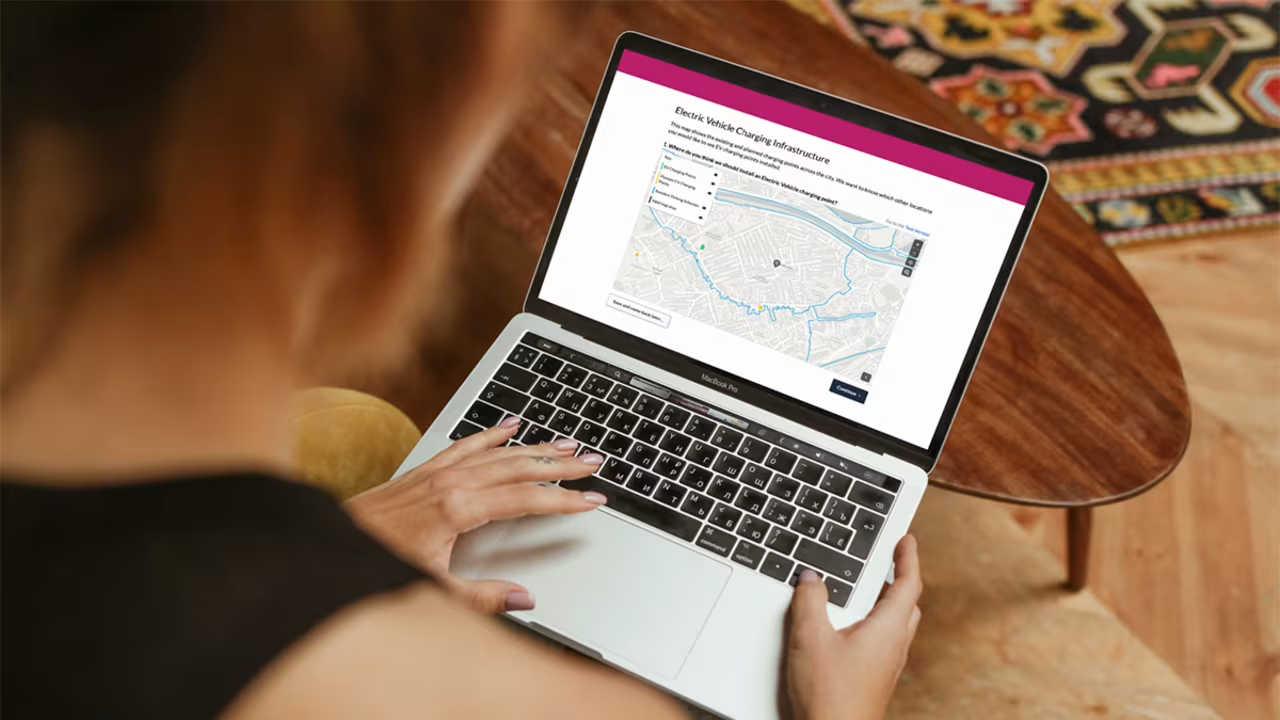
Access to information shapes public memory and social understanding in powerful ways. Digital maps influence how communities are represented, funded, and remembered over time. On mapping platforms that indicate only roads and property lines without illustrating human stories that make neighborhoods, they ignore them. Such restriction has an insidious but significant impact on research, education, and the common discourse. Apex mapping services are where apeoplesmap.org services have a new way of mapping. The platform puts the emphasis on lived experience, cultural memory, and social context rather than on geography. This method is gaining greater and greater popularity among researchers, educators, activists, nonprofit teams since it makes spatial data interlink with human stories. Consequently, mapping becomes a knowledge preservation tool and not a form of navigation.
What are apeoplesmap.org services?
Apeoplesmap.org services imply the necessity to go beyond conventional cartography. The mapping systems of most systems focus on efficiency, infrastructure and scale. Contrary to this, this platform focuses on people, narratives and local knowledge that are related to certain places. Such a change might seem unimposing but it changes the way information is conveyed and understood. It offers community-based digital mapping applications. These tools enable users to record social histories, cultural landmarks, and lived experiences by making contributions collaboratively. Communities are not passive in their description of their locations, but rather construct it using institutional information only.
How apeoplesmap.org services Redefine Community Mapping?
The conventional mapping platforms focus on boundaries and infrastructure. Community-based mapping adds to that definition, the meaning of social meaning. The apeoplesmap.org services allow users to tie together narratives, archival documents and multimedia content at geographic locations. As a result, every place gets overlaid with context as opposed to stripped-down coordinates.
The platform allows collaborative participation. The contributors are allowed to add their descriptions, add supporting media and review entries shared. The process develops collective ownership and enhances precision. The community identifies itself and is not imposed.
The table below outlines how this model differs from conventional mapping systems.
| Aspect | Traditional Mapping | apeoplesmap.org services |
| Primary Focus | Physical infrastructure | Lived experiences |
| Data Control | Centralized institutions | Community contributors |
| Story Integration | Minimal narrative context | Multimedia storytelling |
| Ethical Framework | Often unclear | Consent-driven design |
This comparison shows that community-oriented mapping adds to the role of digital maps. It does not substitute current systems but gives a new dimension and social appropriateness.
Core Features Within apeoplesmap.org services Platform
The accessibility of the apeoplesmap.org services is integrable with the organized way of design. The users do not need high level of technical skills to join. There is easy access to the site with clear navigation tools and guided workflow.
The integration of multimedia is one of the important characteristics. The users are able to add photographs, audio recordings, videos, and archival documents on particular points on the map. Such an ability converts inert visuals into an interactive storytelling platform. The other important characteristic is the layered visualization, that is, the ability of the viewers to turn thematic categories on to have further analysis.
The following table summarizes major technical elements.
| Feature | Purpose | Practical Benefit |
| Multimedia Support | Add rich content to locations | Enhances narrative depth |
| Layered Visualization | Organize thematic data | Improves clarity |
| Contributor Permissions | Manage collaboration | Maintains data quality |
| Privacy Controls | Adjust access levels | Protects sensitive content |
These tools enable both small local projects and larger institutional collaborations. The design balances simplicity with research-level functionality.
Research Applications of apeoplesmap.org services in Academia
Academic research increasingly values spatial analysis combined with qualitative storytelling. apeoplesmap.org services enable such a combination by enabling scholars to visualize interviews, archival documents, and social trends on a single interaction platform. The platform does not divide the geographic information with narrative evidence but combines them meaningfully.
As an illustration, migration studies can be visualized about the paths together with individual stories gathered in the field. The research of social justice can trace the locations of protests and place historical records to each place. This is a mixed method that increases analytical depth and accessibility by the general public.
Typical academic uses are recording histories of migration, mapping grassroots activism and archiving oral histories. The platform enhances interdisciplinary cooperation between the social sciences and humanities because it allows mixed-method research.
Educational Impact Through apeoplesmap.org services
Educational institutions benefit when students actively engage with local knowledge. Classrooms have the ability to convert neighborhoods into living case studies through the services of apeoplesmap.org. Students do not read about social change, but they record it as they are guided on the task.
Mapping projects are incorporated into the courses of history, geography, and civic education by teachers. The students interview people in the community, access archival data, and publish the results on collaborative maps. This will be a process of developing digital literacy and strengthening ethical research practices.
The benefits of education are a better capacity of critical thinking and teamwork. Virtues like consent and sharing of information responsibly are also taught to students. Such projects would also lead to long-term community archives by schools and other local partners.
Advocacy and Social Change Using apeoplesmap.org services
The use of visual representation tends to create a greater impact on the awareness of the people as compared to text. When environmental suffering or housing displacement are reported by the advocacy groups using the services of apeoplesmap.org, they leave the evidence that is visible to the policymakers and can be analyzed by them. Mapping social problems brings transparency and empowerment to social campaigns.
The grassroots organizations have systematic procedures to make them credible. They pinpoint certain problems, gather testimonies of the community, and confirm backing documents. Every place on the map is a result of scrutiny and moral approval.
The option of making maps public makes it transparent. Meanwhile, sensitive data is safeguarded by privacy controls. Such an equilibrium enables communities to be heard without endangering their safety.
Ethical Standards Embedded in apeoplesmap.org services
The moral duty of apeoplesmap.org services is still high. Mapping lived experiences can be trusted, and the platform acknowledges the fact that trust needs to be secured. The submissions are retained by their authors, and the administrators of the projects will have chances to filter the entries.
Three guiding principles shape ethical implementation:
- Clear community consent before publishing sensitive material
- Transparent attribution of sources and contributors
- Responsible data-sharing practices aligned with research standards
These safeguards prevent misuse while encouraging open collaboration. Ethical clarity strengthens both academic credibility and public confidence.
Getting Started with apeoplesmap.org services
Beginning a mapping project does not require advanced technical expertise. Users typically start by creating an account and exploring existing maps to understand layout and functionality. Once familiar with the interface, they can initiate a new project by defining a theme and geographic focus.
A recommended starting workflow includes:
- Setting clear objectives before collecting data.
- Identifying target contributors and collaborators.
- Establishing review guidelines for quality control.
- Monitoring updates regularly to maintain accuracy.
By approaching mapping systematically, users maximize both impact and sustainability.
Long-Term Value of apeoplesmap.org services
Community maps develop a layer as they are contributed to. What started as a specialized project may, over the years develop into a large digital collection of social change. Apeoplesmap.org services have a long shelf life as they have been designed in a very flexible and moral manner.
This model supports growth and revision, unlike the case with the static mapping tools. The communities are able to re-examine previous entries, introduce new insights, and streamline documentation practices. This structure is dynamic, as is social life itself.
The long-term value is achieved due to the long-term cooperation, moderation, and responsible sharing. The relevance of this model tends to be found in research, education, and advocacy at the same time in institutions that embrace this model.
Conclusion: Why apeoplesmap.org services Shape Inclusive Mapping
Apeoplesmap.org services critique established mapping through the use of human accounts and common ground. The platform helps in research, classroom engagement, and advocacy initiatives in a significant manner through joint participation, ethical protection, and available technology.
Through merging both the narrative setting and the visualization of space, the communities keep their histories alive that would otherwise be lost. Researchers have the ability to be more analytical, educators can promote active learning, and activists can become more aware of the masses. Finally, the experience of apeoplesmap. org services proves that mapping could be used as the medium of connection between geography and lived experience so that digital landscapes are represented by the people who create them.
Read More Blogs:- Foxfiny com: A Complete Guide to Modern Brand Growth Strategies











Leave a Reply